
Oral Cancer Screening and Early Detection
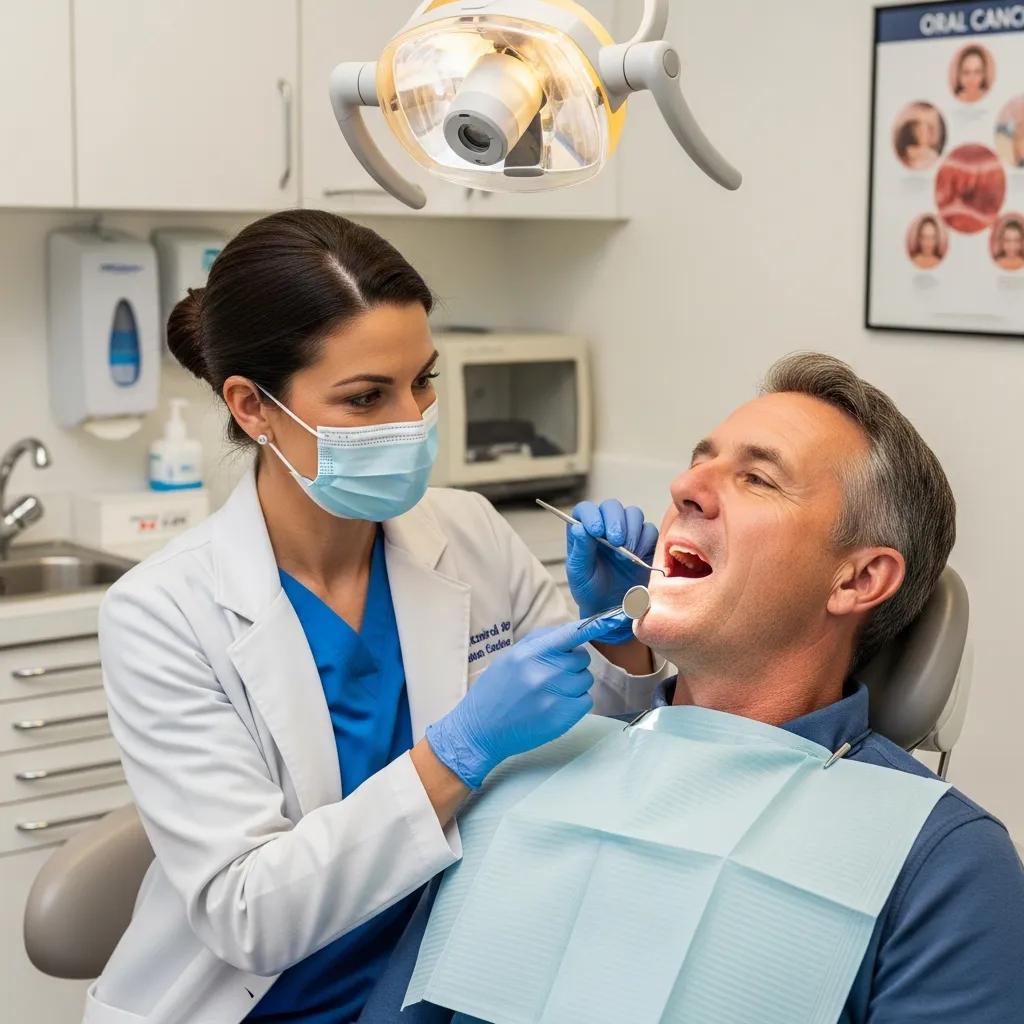
Oral Cancer Screening and Early Detection: Essential Information for Patients
Oral cancer is a serious health concern that can significantly impact an individual's quality of life. Early detection through screening is crucial for improving treatment outcomes and survival rates. This article provides essential information about oral cancer screening, including the early signs and symptoms, the screening process, and the importance of early detection. Patients will learn how to recognize potential warning signs, understand the comprehensive screening procedures at ASAP Dental Care, and appreciate the benefits of timely diagnosis. By being informed, individuals can take proactive steps in their oral health journey. The following sections will cover symptoms, our specialized screening process, and how to schedule an appointment today.What Are the Early Signs and Symptoms of Oral Cancer?
Recognizing the early signs and symptoms of oral cancer is vital for timely intervention. Oral cancer can manifest in various ways, and being aware of these symptoms can lead to earlier diagnosis and treatment. Common symptoms include:- Persistent mouth sores that do not heal within two weeks.
- Lumps or thickening in the tissues of the mouth, neck, or throat.
- Red or white patches on the gums, tongue, or mouth lining.
- Difficulty swallowing, chewing, or moving the jaw.
"Understanding the reasons why patients delay seeking treatment for oral cancer symptoms... has implications for information provision about early recognition." — integrative literature review, B Noonan, 2014
Recognizing Common Oral Cancer Symptoms Like Mouth Sores and Lumps
 Mouth sores that do not heal within two weeks can be a significant indicator of oral cancer. Additionally, lumps or thickening in the tissues of the mouth should not be ignored. These symptoms may be accompanied by pain, difficulty swallowing, or changes in speech. Early recognition of these signs is crucial for effective treatment.
Understanding Risk Factors Including Tobacco and Alcohol Use
Several risk factors are associated with oral cancer, including tobacco use (both smoked and smokeless) and excessive alcohol consumption. Additionally, HPV (Human Papillomavirus) and excessive sun exposure to the lips are significant factors. Understanding these helps individuals make informed lifestyle choices to reduce their risk.How Is Oral Cancer Screening Performed at ASAP Dental Care?
At ASAP Dental Care, our screening is a proactive, five-minute process designed to identify abnormalities early. Because we value your time and health, we often include this as a seamless part of your routine check-up.Step-by-Step Overview of the Oral Cancer Screening Procedure
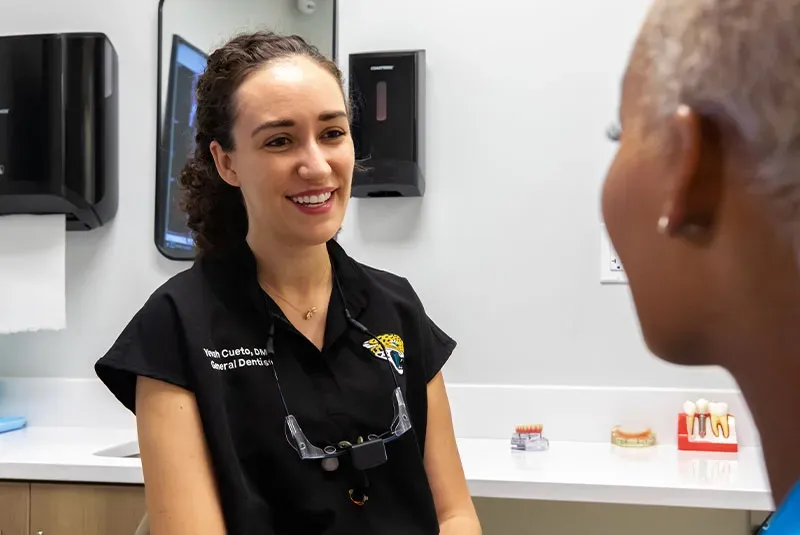
- Consultation: We review your medical history and any new symptoms or changes you've noticed.
- Visual Examination: The dentist checks the mouth, throat, and lips for unusual lesions or discolorations.
- Physical Examination: Using a gentle, tactile approach, the dentist will palpate the jaw, neck, and oral tissues to detect lumps or irregularities not visible to the naked eye.