
Everyday Dental Hygiene Tips and Routine
Everyday Dental Hygiene Tips and Routine: Best Toothbrushing Methods and Effective Oral Care
Maintaining optimal dental hygiene is essential for overall health and well-being. This article provides practical tips and routines to enhance your daily oral care, focusing on effective toothbrushing methods and additional practices that support dental health. By understanding the best techniques and routines, you can significantly reduce the risk of cavities, gum disease, and other oral health issues. Many individuals struggle with maintaining consistent dental hygiene due to busy lifestyles or lack of knowledge about effective practices. This guide aims to equip you with the necessary tools and knowledge to establish a robust dental hygiene routine. We will explore best toothbrushing methods, effective oral care practices, recommended daily routines, and the importance of regular dental appointments.
Best Toothbrushing Methods:
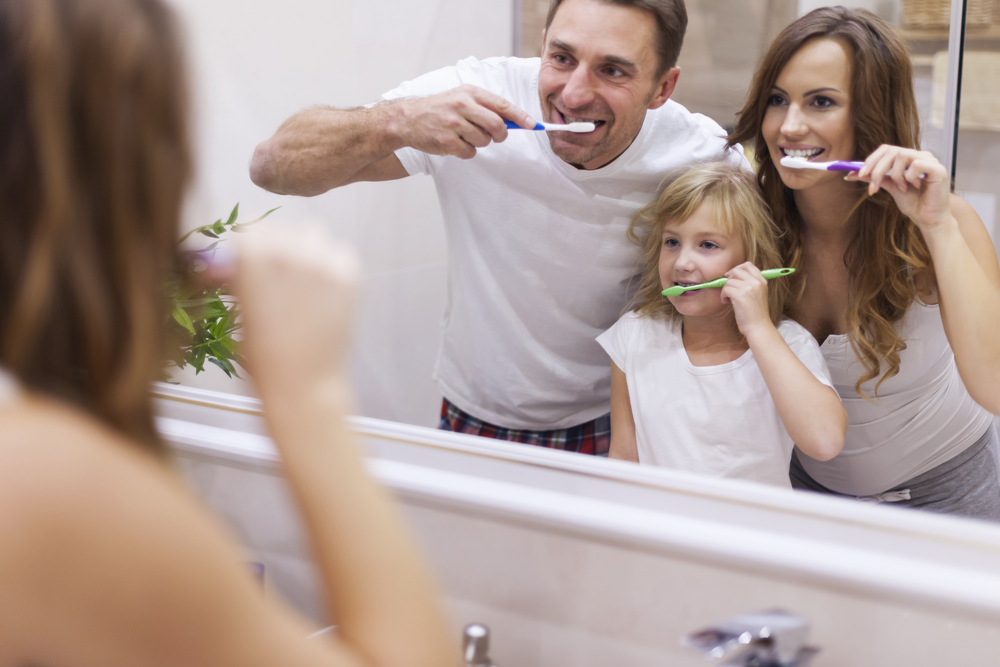
Effective toothbrushing is the cornerstone of good dental hygiene. The right techniques can significantly enhance plaque removal and overall oral health. Here are some key methods to consider:
Specific research highlights the efficacy of particular brushing techniques, such as the Modified Circular method, in significantly improving plaque removal and gingival health.
- Frequency of Brushing: Brush your teeth at least twice a day, ideally after meals, to prevent plaque buildup and cavities.
- Proper Technique: Use gentle circular motions rather than aggressive back-and-forth scrubbing to avoid damaging your gums and enamel.
- Duration of Brushing: Aim to brush for at least two minutes each time to ensure thorough cleaning of all tooth surfaces.
Implementing these methods can lead to improved oral health and a brighter smile.
Indeed, dental authorities emphasize that consistent and proper toothbrushing, including frequency, duration, and technique, is crucial for effective oral hygiene.
Effective Oral Care Practices:
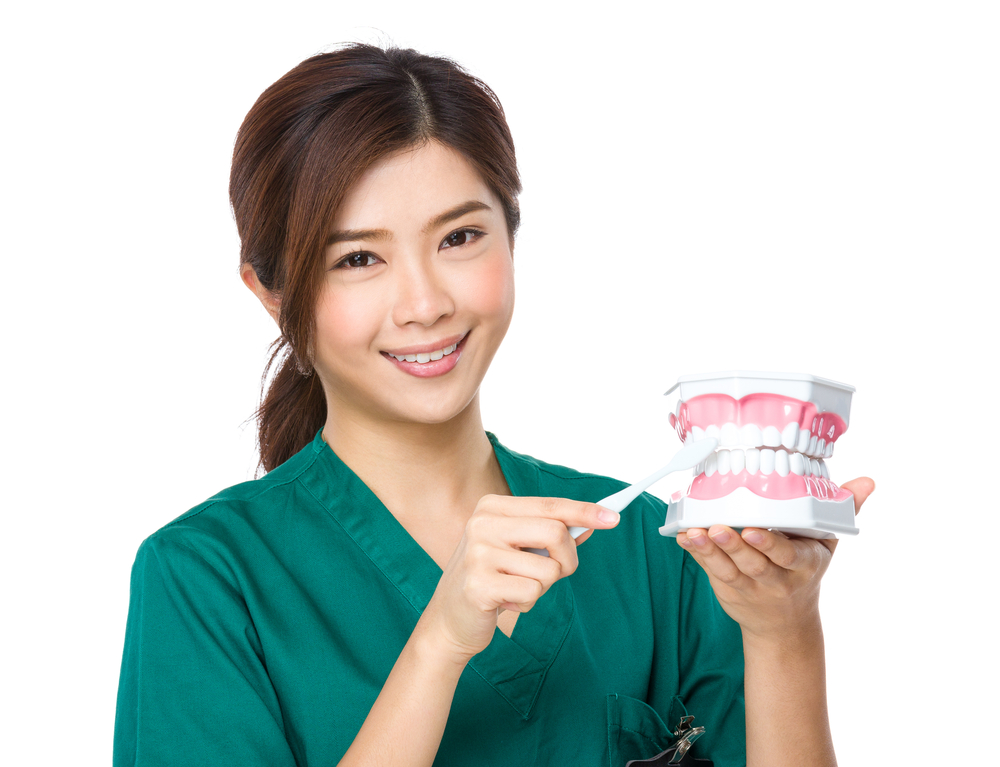
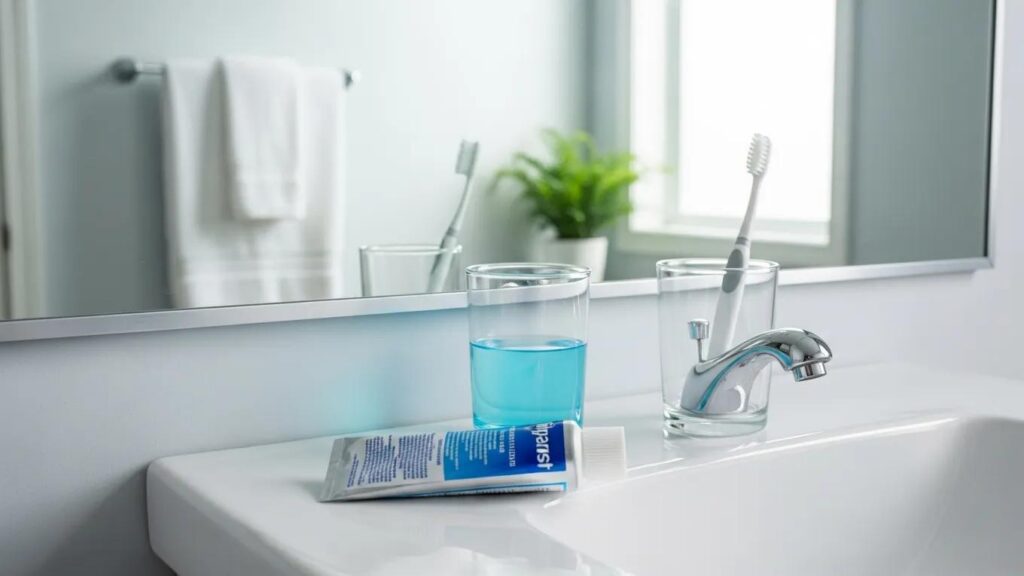
In addition to proper toothbrushing, several other practices can enhance your dental hygiene routine. These practices work synergistically to maintain oral health and prevent dental issues.
- Importance of Flossing: Flossing daily helps remove food particles and plaque from between teeth, where toothbrushes cannot reach.
- Use of Mouthwash: An antibacterial mouthwash can help reduce plaque and gingivitis, providing an extra layer of protection for your gums.
- Dietary Considerations: A balanced diet low in sugar and high in vitamins and minerals supports healthy teeth and gums.
What are the recommended methods for proper interdental cleaning?
Interdental cleaning is crucial for comprehensive oral hygiene. Recommended methods include:
- Traditional Dental Floss: This is effective for removing plaque and food particles between teeth.
- Floss Picks: These are convenient for on-the-go cleaning and can be easier to handle for some individuals.
- Interdental Brushes: These small brushes can effectively clean larger gaps between teeth and are particularly useful for individuals with braces or dental work.
Which flossing tools best support plaque and debris removal?
Choosing the right flossing tools can enhance your cleaning routine. Here are some effective options:
When evaluating different interdental cleaning devices, studies have compared their effectiveness in removing plaque.
- Manual Floss: A classic choice that allows for precise control during cleaning.
- Electric Flossers: These devices can make flossing easier and more effective, especially for those with limited dexterity.
- Water Flossers: These use a stream of pulsating water to remove debris and are particularly beneficial for individuals with braces or implants.
Recommended Daily Routine:
Establishing a daily routine is vital for maintaining dental hygiene. Here’s a suggested routine to follow:
- Morning Routine: Start your day by brushing your teeth and using mouthwash to freshen your breath.
- Evening Routine: Brush your teeth again before bed, followed by flossing to remove any food particles from the day.
- Hydration: Drink plenty of water throughout the day to help wash away food particles and bacteria.
Following this routine can help ensure that your teeth and gums remain healthy.
What Role Do Home Dental Care Products Play in Maintaining Oral Health?
Home dental care products are essential for maintaining oral health between dental visits. These products include toothpaste, mouthwash, and floss, each serving a specific purpose in your hygiene routine.
- Toothpaste: Look for fluoride toothpaste, which helps strengthen tooth enamel and prevent cavities.
- Mouthwash: Choose an alcohol-free mouthwash to avoid drying out your mouth while still providing antibacterial benefits.
- Dental Floss: Select a floss that is comfortable for you to use, whether waxed or unwaxed, to ensure you maintain the habit of daily flossing.
When Should You Schedule Dental Appointments to Support Your Hygiene Routine?
Regular dental check-ups are crucial for maintaining oral health. It is generally recommended to schedule dental appointments every six months. These visits allow for professional cleanings and early detection of potential issues.
- Frequency of Visits: For most individuals, biannual visits are sufficient, but those with specific dental concerns may need to visit more frequently.
- Timing Considerations: Schedule appointments at times that are convenient for you, ensuring that you can maintain consistency in your dental care.
By integrating these practices into your routine, you can significantly enhance your dental hygiene and overall health. Remember, maintaining good oral health is a lifelong commitment that pays off in the long run.