
Emergency Dentistry - Jacksonville, FL
High-Quality Dentistry When You Need It Most
High-Quality Dentistry When You Need It Most

In 2021, nearly 50,000 people visited U.S. hospital emergency rooms for dental injuries. Although ER physicians are skilled at treating medical emergencies, they’re not familiar with dental care and don’t have the training to restore damaged teeth. For example, if you visit an ER for a severe toothache, you’ll receive a pain reliever but the ER staff won’t be able to accurately diagnose or treat the underlying cause of your pain. Even if you visit the ER, you‘ll likely need to schedule an urgent dental care follow-up appointment. When a damaged or infected tooth is left untreated, this increases the risk of the infection spreading.
Seeking prompt care from an experienced emergency dentist near you in Jacksonville, FL will save you extra pain, time and money. If you’re experiencing tooth pain, have a fractured or knocked out tooth or any other painful dental symptoms, we recommend you contact ASAP Dental Care as soon as possible. Our Dental Team can provide same- or next day emergency dentistry for a comprehensive range of non-life-threatening dental issues in our comfortable practice setting. We also offer sedation to ease your worries.
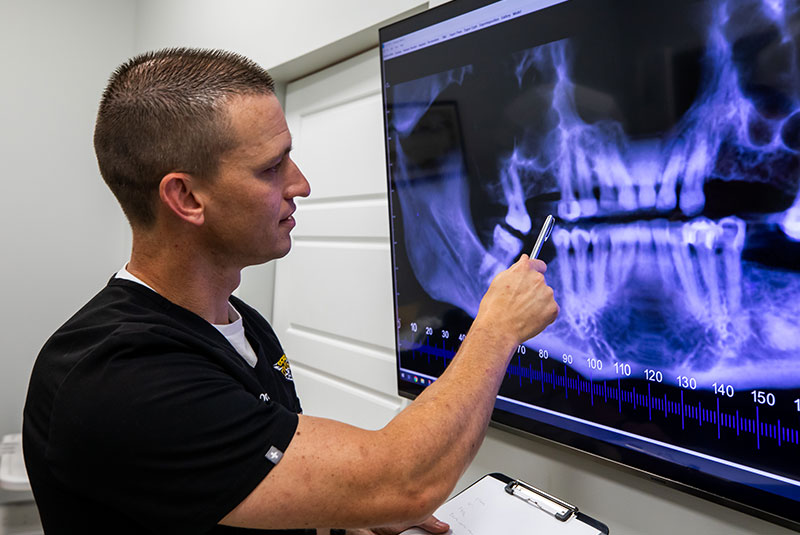
If you have a debilitating toothache that lasts more than one to two days, you may have deep decay or an infected tooth. Without proper care, your condition will get worse. As the infection progresses, the pulp inside your tooth will continue to die, causing increasingly bad pain. Our Dental Team will determine the cause of your toothache and take prompt steps to resolve your issue. For example, an emergency root canal can alleviate a painful pulp infection and often save the tooth from being extracted.
A dental abscess is a collection of pus that can form inside your teeth, gums or the bone that holds your teeth in place. It’s caused by a bacterial infection and usually results in intense throbbing pain in the affected area that starts suddenly and gradually worsens. Other symptoms include sensitivity to hot or cold food and beverages and facial redness or swelling. For a tooth abscess, an emergency root canal is the treatment of choice. If you have a gum abscess, an immediate, albeit sometimes temporary solution is for Our Dental Team to make a small incision in the gum tissue to drain the abscess.
Tooth fractures can involve the crown, the root or both, with or without exposure of the pulp. Fractures that expose the pulp are often painful and require immediate treatment. Tooth fragments should be kept hydrated because we may be able to reattach them. Fractures of the root usually require digital X-rays for accurate diagnosis, unless the tooth is particularly loose and the fracture is close to the gingival margin. For root fractures, treatment may involve root canal therapy, splinting or extraction, depending on the exact nature and extent of the issue.
Luxation involving the pulp and/or supporting tissue accounts for 18–33% of injuries to permanent teeth. During an injury, a tooth can get pushed forward, backward or sideways, partially out of or into the socket. Types of luxation include intrusive, extrusive and lateral. Potential therapeutic options include passive repositioning (for intrusive luxation), manual repositioning (all luxation types), intentional replantation, orthodontic repositioning and splinting of the luxated tooth.
A knocked out tooth is a dental emergency that requires emergency dental services in Jacksonville, FL. While primary teeth are never re-implanted, prompt re-implantation is the preferred treatment method for permanent teeth. Care should be taken not to touch, rub or clean the root because this can remove periodontal ligament fibers and reduce the chance of successful re-implantation. Call our office immediately and transport the knocked out tooth in milk if you can’t place it back in the socket. Splinting is the most common way to treat knocked out teeth caused by traumatic dental injury.
You may experience some discomfort after losing a crown or filling, especially when biting or chewing, but sometimes treatment can wait until you visit ASAP Dental Care during normal office hours. With that said, you should call our office immediately if you lose a crown or filling and experience any signs of infection, such as severe pain, facial or jaw swelling, fever or trouble opening your mouth. Bacteria can spread to other areas of your body and lead to life-threatening symptoms if left untreated.
After a tooth extraction, a blood clot normally forms that protects the underlying bone and nerves. In some cases, the blood clot doesn’t form or food particles that collect inside the socket dislodge it, thereby exposing sensitive tissue. This painful complication of tooth extraction is called dry socket. If you experience severe pain one to three days after having a tooth pulled, call us as soon as possible. Our Dental Team will clean out the socket to flush out food or other debris, fill the socket with a medicated dressing and repeat this process as needed.
Accidents are unpredictable, so it’s important to be prepared when they happen. If you experience a dental emergency in Jacksonville, FL, call us to discuss the issue and we’ll help you determine if it’s a true dental emergency.
Instead of rushing to the ER, where there are no dental professionals or experts like us, we’ll give you detailed instructions on how to care for your injury until you come to our office. If needed, we can work you into our schedule the same or next day.
We’ll accurately diagnose the underlying cause of the problem, relieve your discomfort and always try to save your tooth and fully restore its function.
We accept insurance and offer third-party financing to help you pay for unpredictable moments in life that impact your oral health.

If you were in an accident, you may have also incurred medical injuries, such as a concussion or facial laceration. If you’re experiencing neck/head pain or severe trauma, are bleeding uncontrollably or feeling dizzy, it’s important to seek immediate medical attention by calling 911 so you can be assessed and/or transported to the nearest medical facility. ER or immediate care medical personnel are best equipped to treat these types of medical emergencies.
I understand the information disclosed in this form may be subject to re-disclosure and may no longer be protected by HIPAA privacy regulations and the HITECH Act.
Jacksonville, FL
Lake City, FL
Orange Park, FL
Crescent City, FL
emergency, emergency treatment, dental pain, jacksonville emergency, Emergency Dentist Jacksonville FL, Emergency Dental Care, severe toothache, Dental Infection, Abscess, fractured tooth, dislodged tooth, knocked out tooth, dry socket, affordable emergency dentistry, Dental Emergency Jacksonville
jacksonville emergency dentistry, dentistry jacksonville, emergency dentist in jacksonville fl, jacksonville emergency dental, emergency dentist jacksonville fl, emergency dentist jacksonville, emergency dental care, emergency dental treatment near me, emergency tooth extraction near me, asap dental 103rd, asap dental care
Dental emergencies can manifest in various forms, including severe toothaches, fractured teeth, and gum infections. Recognizing these conditions early can significantly impact the effectiveness of treatment and the overall recovery process.
For instance, a toothache may indicate an underlying cavity or infection, while a fractured tooth can lead to further complications if not addressed promptly. Understanding these common dental emergencies helps patients seek timely care and avoid unnecessary pain or complications.
When you arrive for an emergency dental appointment, the first step typically involves a thorough assessment of your condition. The dentist will inquire about your symptoms, medical history, and any previous dental issues to formulate an effective treatment plan.
After the initial evaluation, you can expect to receive immediate pain relief and a discussion of the necessary procedures. This may include treatments such as root canals, extractions, or temporary restorations, depending on the severity of your condition.
After receiving treatment for a dental emergency, proper aftercare is essential to ensure healing and prevent further complications. Patients are often advised to follow specific guidelines that may include pain management, dietary restrictions, and oral hygiene practices.
For example, after a tooth extraction, it's crucial to avoid strenuous activities and stick to soft foods to aid in recovery. Following the dentist's aftercare instructions will help minimize discomfort and promote a smooth healing process.
Selecting the right emergency dentist is crucial for receiving quality care during a dental crisis. Factors to consider include the dentist's experience, availability, and the range of services offered to ensure they can address your specific needs.
Researching patient reviews and testimonials can also provide insight into the quality of care provided. A dentist who specializes in emergency dentistry, like ASAP Dental Care, is often better equipped to handle urgent situations effectively and compassionately.