
Bone Grafting for Implant Patients
Bone Grafting for Implant Patients: Essential Guide to Procedures and Preparation
Bone grafting is a crucial procedure in dental implantology, designed to enhance the stability and success of dental implants. This process involves transplanting bone tissue to areas where the jawbone is insufficient to support an implant. Understanding the significance of bone grafting is essential for patients considering dental implants, as it directly impacts the longevity and effectiveness of the implant. In this article, we will explore the various types of bone graft materials, the surgical techniques involved, and what patients can expect during the healing and recovery process.
What Is Bone Grafting and Why Is It Important for Dental Implants?
Bone grafting is a surgical procedure that involves the placement of bone or bone-like materials into the jawbone to facilitate the growth of new bone. This is particularly important for dental implants, as a strong and healthy jawbone is necessary for the successful integration of the implant. The procedure not only helps in restoring the jaw’s structure but also enhances the overall aesthetic appearance of the smile.
For patients considering dental implants, understanding the importance of bone grafting is vital. It ensures that the implant has a solid foundation, which is crucial for long-term success. If you are looking for expert dental care, consider scheduling an appointment with ASAP Dental Care to discuss your options.
How Does Bone Grafting Improve Implant Stability?
Bone grafting improves implant stability by providing a solid foundation for the dental implant. The process of osseointegration, where the bone grows around the implant, is significantly enhanced when there is adequate bone mass. This stability is crucial for the longevity of the implant, as it reduces the risk of implant failure. Successful integration leads to improved clinical outcomes, allowing patients to enjoy their dental implants without complications.
What Are the Common Types of Bone Graft Materials Used?
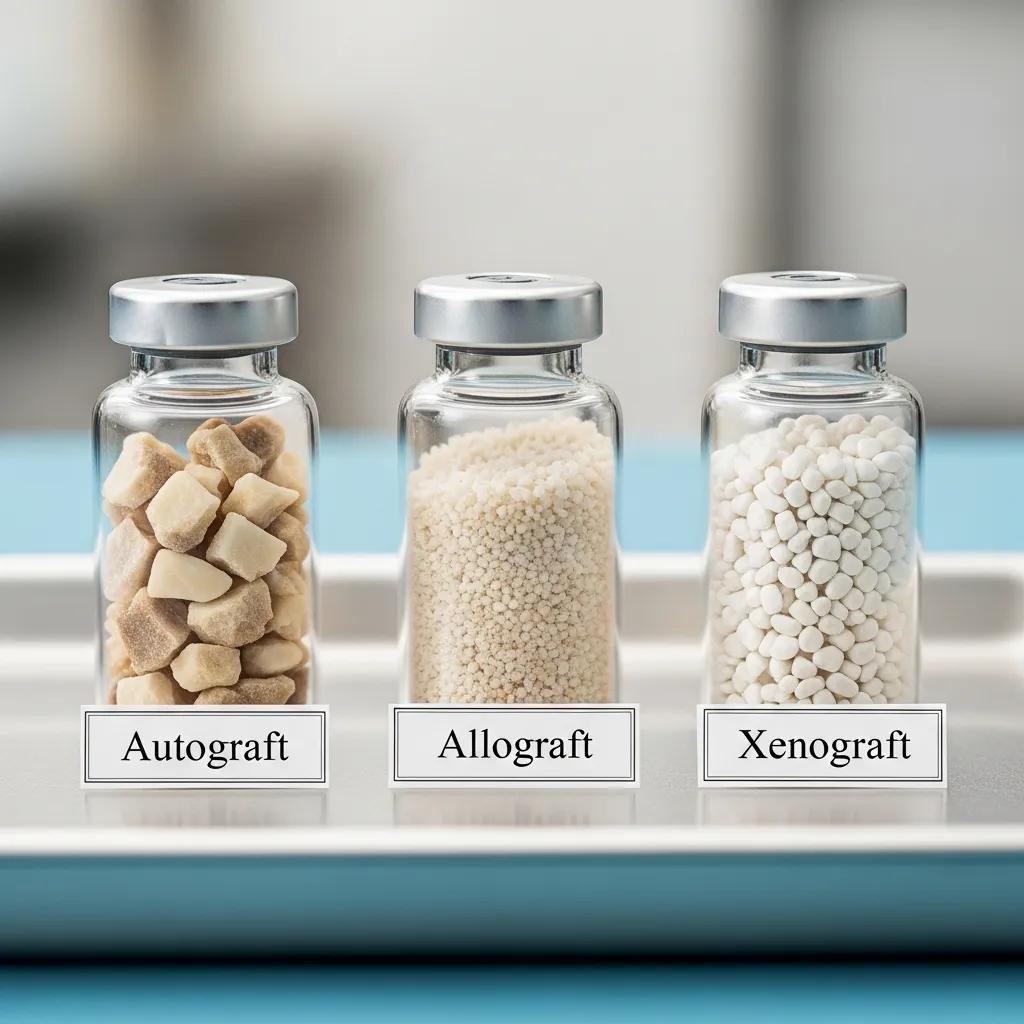
There are several types of bone graft materials used in dental procedures, each with its unique properties and benefits. The most common types include:
- Autografts: These are bone grafts taken from the patient’s own body, typically from the hip or another site. They offer the highest success rates due to their compatibility.
- Allografts: Sourced from human donors, allografts are processed and sterilized to ensure safety. They provide a viable option when autografts are not feasible.
- Xenografts: These grafts are derived from animal sources, usually bovine. They serve as a scaffold for new bone growth and are often used in conjunction with other graft materials.
Understanding these options helps patients make informed decisions about their treatment plans.
Which Bone Graft Materials Are Used in Dental Procedures?
When it comes to dental procedures, the choice of bone graft material can significantly affect the outcome. Each type of graft material has its advantages and considerations.
What Is an Autogenous Bone Graft and Its Benefits?
An autogenous bone graft is harvested from the patient’s own body, making it the gold standard in bone grafting. The primary benefits include:
- High Compatibility: Since the graft is from the same individual, the risk of rejection is minimal.
- Enhanced Healing: Autografts contain living cells that promote faster healing and integration with the existing bone.
- Proven Success Rates: Clinical studies show that autografts have high success rates in dental implant procedures.
These advantages make autogenous grafts a preferred choice for many dental professionals.
How Do Allografts and Xenografts Compare in Implant Success?
Allografts and xenografts offer alternative solutions for patients who may not be suitable candidates for autografts.
- Allografts: These grafts have shown good integration success rates, especially when sourced from reputable tissue banks. They are often used in cases where a larger volume of bone is required.
- Xenografts: While xenografts can provide a scaffold for new bone growth, their integration success can vary. They are typically used in conjunction with other graft materials to enhance outcomes.
Both options can be effective, but the choice depends on individual patient needs and the specific clinical situation.
Further research provides detailed insights into the comparative success rates of various bone graft materials used in dental implant procedures.
What Surgical Techniques Are Involved in Bone Grafting for Implants?
Several surgical techniques are employed in bone grafting to ensure optimal results. Understanding these techniques can help patients feel more prepared for their procedures.
How Does the Sinus Lift Procedure Support Implant Site Preparation?
The sinus lift procedure is a specialized technique used to increase the amount of bone in the upper jaw, particularly in the area of the molars and premolars. This procedure involves lifting the sinus membrane and placing bone graft material into the sinus cavity. The benefits include:
- Increased Bone Volume: This allows for the placement of implants in areas where bone loss has occurred.
- Improved Implant Success: By providing a solid foundation, the sinus lift enhances the likelihood of successful osseointegration.
This technique is particularly beneficial for patients with significant bone loss in the upper jaw.
What Are Ridge Preservation Techniques and Their Role in Grafting?
Ridge preservation techniques are employed immediately after tooth extraction to maintain the shape and volume of the jawbone. These techniques involve placing bone graft material into the extraction site to prevent bone resorption. Key benefits include:
- Maintaining Jaw Structure: This helps preserve the natural contour of the jaw, which is essential for future implant placement.
- Facilitating Future Implants: By preventing bone loss, ridge preservation techniques make it easier to place implants later on.
These techniques are crucial for patients who wish to maintain their dental health and aesthetics after tooth loss.
What Should Patients Expect During Healing and Recovery After Bone Grafting?

Healing and recovery after bone grafting are critical phases that require proper care and attention. Patients should be aware of what to expect during this time.
How Long Does Bone Graft Healing Typically Take?
The healing time for bone grafts can vary depending on several factors, including the type of graft used and the patient’s overall health. Generally, the healing process can take anywhere from 4 to 6 months. During this time, the graft material integrates with the existing bone, providing a stable foundation for dental implants.
What Are the Potential Risks and How Are They Managed?
While bone grafting is generally safe, there are potential risks involved, including infection, graft failure, and complications related to anesthesia. To manage these risks, dental professionals typically:
- Conduct Thorough Assessments: Pre-operative evaluations help identify any underlying health issues that could affect healing.
- Provide Post-Operative Care Instructions: Following specific care guidelines can significantly reduce the risk of complications.
- Monitor Healing Progress: Regular follow-up appointments ensure that the healing process is on track and any issues are addressed promptly.
Understanding these risks and management strategies can help patients feel more confident in their treatment journey.
Questions?
Give us a call or text at (904) 998-0000 or fill out our online contact form. We’re open 7 days a week and have expert sedation dentists throughout North Florida with 8 convenient locations. We accept PPO dental insurance and provide comprehensive care with a compassionate team.