Overcome Dental Anxiety with Sedation Dentistry Techniques

Sedation Dentistry: Understanding Dental Sedation Options for Comfortable Treatments
By ASAP Dental Care
Sedation dentistry provides a solution for patients who experience anxiety during dental procedures. . At ASAP Dental Care, we use various sedation techniques, dental professionals can create a comfortable environment that allows patients to undergo necessary treatments without fear or discomfort. This comprehensive guide will delve into the different sedation options available, their benefits, and how they can enhance the overall dental experience. Many individuals may find themselves reluctant to seek dental care due to fear or previous negative experiences. Sedation dentistry offers a promising solution to transform these encounters into positive experiences. We will explore the benefits of sedation, common methods used, and essential information about preparation and recovery.
Overall Benefits of Sedation Dentistry

Sedation dentistry delivers several significant advantages, making it a valuable option for many patients. Key benefits include:
- Relief from Fear and Anxiety: Sedation assists in calming nerves, allowing patients to feel more at ease during their dental visit.
- Enhanced Comfort: By minimizing discomfort associated with dental procedures, patients can undergo treatment without worrying about pain.
- Encouragement for Preventive Care: With reduced anxiety, patients are more likely to attend regular check-ups, thus improving overall oral health.
For those considering sedation dentistry, seeking professional advice from trusted providers like ASAP Dental Care can enhance the experience and clarify the best options available.
What Are the Common Sedation Dentistry Methods Offered?
Various sedation methods accommodate the diverse needs of patients. Common types include:
- Local Anesthesia: This involves numbing a specific area of the mouth, allowing patients to remain awake while minimizing discomfort.
- Nitrous Oxide: Often referred to as laughing gas, this inhaled sedative calms patients, making procedures more manageable.
- Oral Conscious Sedation: This method involves taking a prescribed sedative before the appointment to induce relaxation.
- IV Sedation: Administered intravenously, this approach provides faster, deeper sedation and allows for precise control over the sedation level.
Understanding these methods helps patients choose the most appropriate option for their needs while recognizing that they can discuss these options further with dental professionals.
How Does Oral Sedation Dentistry Enhance Patient Comfort?
Oral sedation dentistry enhances patient comfort by inducing a relaxed state through medication taken prior to the appointment. This approach is particularly beneficial for individuals experiencing dental phobia or those undergoing lengthy procedures. The sedative properties of the medication allow patients to remain calm and unaware of discomfort, effectively transforming their dental experience. As a result, patients are more likely to maintain their oral health through regular visits, knowing they have the option for a comfortable and stress-free experience.
What Is Intravenous Sedation in Dental Procedures?
Intravenous (IV) sedation is a technique involving the direct injection of sedatives into the bloodstream, providing quick and profound sedation. This sedation method is ideal for patients undergoing complex procedures or experiencing significant anxiety. With IV sedation, the dental team can easily adjust the sedation level throughout the procedure, ensuring maximum comfort. Patients may also experience retroactive amnesia, meaning they may not remember the procedure afterward, further alleviating anxiety surrounding future visits.
Which Dental Procedures Benefit Most from Sedation Dentistry?
Sedation dentistry proves especially beneficial for various dental procedures, including:
- Fillings: Patients often feel apprehensive about the sounds and sensations associated with fillings.
- Root Canals: This procedure can cause anxiety due to its complexity, making sedation an appealing option.
- Wisdom Tooth Removal: The extraction process can be painful and drawn out, amplifying the need for sedation for comfort.
Understanding these benefits gives patients the reassurance they need to proceed with necessary treatments without fear.
How Is Sedation Used for Complex Treatments Like Dental Implants?
Sedation is particularly advantageous for complex treatments like dental implants, which can be lengthy and involve various steps. By calming the patient, sedative techniques reduce discomfort and enhance cooperation during procedures. Moreover, sedation allows dentists to work more efficiently, as patients can remain still and comfortable throughout the process. The use of sedation not only ensures the procedure is done accurately but also supports effective management of any anxiety or discomfort.
Why Is Sedation Recommended for Patients with Dental Anxiety?
Sedation is highly recommended for patients who experience dental anxiety because it effectively transforms potentially distressing experiences into manageable ones. Many people avoid seeking dental care due to fear, which can lead to worsening dental issues. By utilizing sedation techniques, dentists can encourage these individuals to receive necessary treat, explaining the positive impact that sedation has on their overall health. This proactive approach supports a pathway towards ongoing preventive care, ensuring that dental visits become increasingly routine and less daunting.
How Should Patients Prepare for and Recover from Sedation Dentistry?
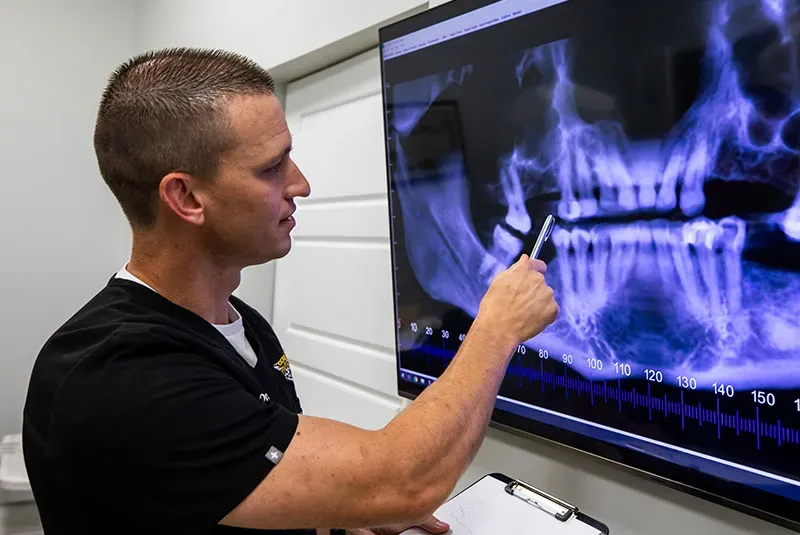
Preparation and recovery are crucial aspects of the sedation experience that ensure patient safety and comfort.
What Are the Recommended Steps to Prepare for Sedation Dental Procedures?
Patients should follow specific guidelines to prepare for sedation, such as:
- Medical History Disclosures: Inform your dentist of all medical conditions and medications to assure safety during sedation.
- Fasting Instructions: Typically, patients are advised not to eat or drink for several hours before receiving sedation, depending on the type chosen.
- Transportation Requirement: Patients will need a trusted adult to drive them home after the procedure, as sedation can impair abilities.
What Is the Typical Recovery Experience After Sedation Dentistry?
Recovery experiences can vary depending on the type of sedation used, but most patients can expect:
- Post-operative Sensations: Mild grogginess and disorientation are common following sedation.
- Duration of Effects: Depending on the sedation type, effects can last from a few hours to a full day.
- Care Instructions: Patients are typically advised to rest, hydrate, and follow specific aftercare directions provided by the dental team to ensure a smooth recovery.
What Safety Measures and Risks Are Associated with Sedation Dentistry?
Sedation dentistry incorporates several safety measures to protect patients during procedures. These include:
- Qualified Professionals: Dental teams are trained in sedation techniques and emergency procedures.
- Monitoring During Sedation: Continuous monitoring of vitals ensures patient safety throughout the procedure.
- Common and Serious Risks: It is vital for patients to understand potential risks, including allergic reactions or complications, so they can make informed decisions.
Are Sedation Dentistry Options Safe for Children and Adults?
Sedation options are generally safe for both children and adults when administered by trained professionals. Pediatric dentists often utilize tailored sedation approaches for young patients, ensuring specific safety protocols are upheld. Adults may require adaptations based on medical history and anxiety levels. Pre-assessment is essential to ensure appropriate measures are in place for each individual.
What Risks Should Patients Understand Before Undergoing Sedation Dentistry?
It is crucial for patients to be aware of potential risks before engaging in sedation dentistry, including:
- Common Side Effects: Patients may experience drowsiness, dizziness, or nausea, which typically resolves quickly.
- Serious Complications: Rarely, patients may face more severe reactions, emphasizing the need for thorough evaluations and discussions with the dental team.
- Individual Reactions: Variability in responses based on health conditions or previous sedation experiences means consultations are critical for ensuring optimal safety.
| Sedation Method | Potential Benefits | Risks |
|---|---|---|
| Oral Conscious Sedation | Reduces anxiety and discomfort | Grogginess post-procedure |
| IV Sedation | Quick adjustment of sedation levels | Potential for over-sedation |
| Nitrous Oxide | Anxiolytic effects, moderate sedation | Limited duration of effects |
This comparison of sedation methods highlights the unique benefits and considerations of each technique, ensuring informed decisions can be made in consultation with a dental provider.
Sedation dentistry helps individuals receive necessary care while managing anxiety effectively. With proper preparation, patients can enjoy enhanced comfort during procedures and a smoother recovery. By understanding various sedation options available, patients can take proactive steps in their oral health journey, promoting healthier, more frequent visits to the dentist.
Interested in learning more, or ready to book your appointment? Give us a call or text at (904) 998-0000 or fill out our online contact form. We’re open 7 days a week and have expert sedation dentists throughout North Florida with 8 convenient locations. We accept PPO dental insurance and provide comprehensive care with a compassionate team.