Simple and Surgical Tooth Extractions

Comprehensive Guide to Simple and Surgical Tooth Extractions: Procedures, Recovery, and Care
Tooth extractions are a common dental procedure that can be necessary for various reasons, including decay, overcrowding, or infection. Understanding the differences between simple and surgical tooth extractions is crucial for patients facing these procedures. This guide will provide insights into the extraction process, recovery, and post-extraction care, ensuring you are well-informed about what to expect. Many individuals experience anxiety regarding dental procedures, but knowing the steps involved can alleviate concerns and promote a smoother experience. We will explore the types of extractions, the procedures involved, and the essential care needed after the extraction to ensure optimal recovery.
Guide to Simple and Surgical Tooth Extractions
Tooth extractions can be categorized into two main types: simple and surgical extractions. A simple extraction is typically performed on teeth that are visible in the mouth and can be removed with minimal intervention. In contrast, surgical extractions are necessary for teeth that are not easily accessible, such as impacted wisdom teeth. Understanding these distinctions is vital for patients to know what to expect during their dental visits.
1. Types of Tooth Extractions:
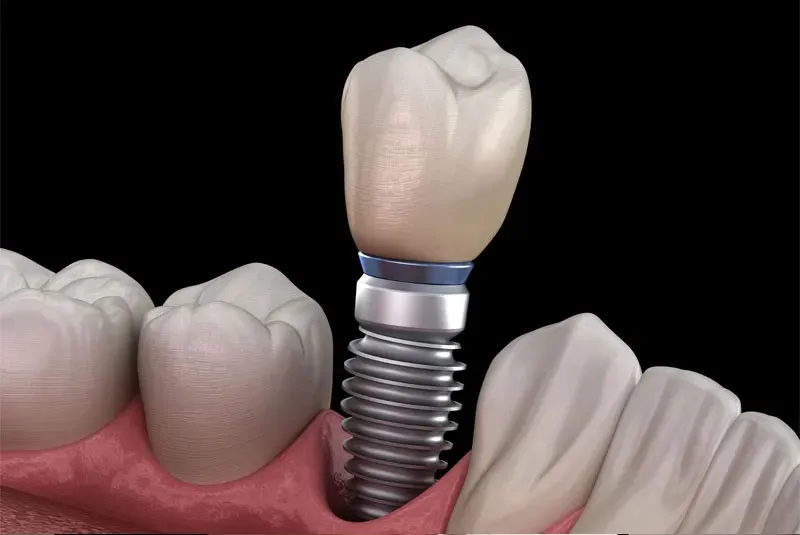
- Simple Extraction: This procedure involves the removal of a tooth that is fully erupted and can be easily grasped with dental instruments. It is usually performed under local anesthesia.
- Surgical Extraction: This type is more complex and is required when a tooth is broken, impacted, or not fully erupted. It often involves incisions in the gum and may require sedation or general anesthesia.
- Indications for Each Type: Simple extractions are often indicated for teeth with extensive decay or damage, while surgical extractions are necessary for impacted teeth or those that cannot be removed without surgical intervention.
The Extraction Procedure:
The extraction procedure begins with a thorough examination and consultation with the dentist. During this phase, the dentist will assess the tooth and surrounding area, often using X-rays to determine the best approach.
- Initial Consultation: The dentist discusses the procedure, potential risks, and aftercare with the patient.
- Anesthesia Administration: Local anesthesia is administered for simple extractions, while surgical extractions may require IV sedation.
- Extraction Process: For simple extractions, the dentist uses forceps to loosen and remove the tooth. In surgical extractions, incisions may be made in the gum tissue to access the tooth.
Post-Extraction Care:

Post-extraction care is crucial for a smooth recovery and to minimize complications. Patients should follow specific guidelines to ensure proper healing.
- Rest and Activity Restrictions: Patients are advised to rest for the first 24 hours and avoid strenuous activities to prevent bleeding and promote healing.
- Ice Pack Application: Applying ice packs to the outside of the cheek can help reduce swelling and discomfort.
- Dietary Restrictions: Soft foods and liquids are recommended for the first few days post-extraction to avoid irritation to the extraction site.
Research highlights the importance of patient adherence to these post-operative instructions for optimal healing.
Recommended Steps for Effective Post Extraction Care:
- Follow Dentist’s Instructions: Adhering to the dentist’s post-operative care instructions is essential for recovery.
- Maintain Oral Hygiene: Gently rinsing with warm salt water can help keep the extraction site clean.
- Monitor for Complications: Be aware of signs of infection or excessive bleeding, and contact the dentist if these occur.
Recovery Process:
The recovery process varies depending on the type of extraction performed. Generally, patients can expect some swelling and discomfort, which can be managed with prescribed pain relief.
- Recovery Time for Simple vs Surgical Extractions: Simple extractions typically heal within a few days, while surgical extractions may take longer, often requiring 1-2 weeks for complete recovery.
- Follow-Up Appointments: Patients should schedule follow-up visits to ensure proper healing and address any concerns.
- Signs of Complications: Symptoms such as persistent pain, swelling, or fever may indicate complications and should be reported to the dentist immediately.
Signs You May Need an Extraction:
Certain symptoms may indicate the need for a tooth extraction. Recognizing these signs can prompt timely dental intervention.
- Severe Tooth Pain: Persistent pain that does not subside with over-the-counter medications may suggest a serious dental issue.
- Swelling: Swelling around the gums or face can indicate infection or other complications.
- Recurring Infections: Frequent infections in the same area may necessitate extraction to prevent further health issues.
Emergency Dental Care:
In some cases, dental emergencies may arise that require immediate attention. Knowing when to seek emergency care is essential for maintaining oral health.
- Severe Toothaches: Intense pain that disrupts daily activities should be evaluated by a dentist.
- Broken Teeth: Accidents leading to broken or fractured teeth require prompt dental assessment.
- Infections: Signs of infection, such as fever or swelling, necessitate urgent dental care to prevent complications.
| Type of Extraction | Procedure | Anesthesia Type | Recovery Time |
|---|---|---|---|
| Simple Extraction | Tooth is loosened and removed | Local Anesthesia | 3-5 days |
| Surgical Extraction | Incision made to access tooth | IV Sedation | 1-2 weeks |
This table summarizes the key differences between simple and surgical extractions, highlighting the procedures, anesthesia types, and expected recovery times.
Further studies emphasize the impact of dietary choices on recovery and overall nutritional well-being after an extraction.
Understanding the extraction process and following proper care guidelines can significantly enhance recovery and minimize discomfort. For those considering tooth extractions, consulting with a dental professional is crucial to determine the best course of action tailored to individual needs.
ASAP Dental Care is a dental service provider specializing in comprehensive oral health treatments including simple and surgical tooth extractions. If you have concerns about your dental health or need to schedule an extraction, consider reaching out to a qualified dental professional for personalized care.